


Neuromaster in action: An interview with Katharina Steinlechner about biofeedback in paediatric therapy
In the Schwarzach Hospital our new Neuromaster successfully used in paediatric and adolescent psychiatry. This was made possible by a generous donation from the Lions Club Pongau Millennium and our support as a manufacturer. Read more in the Salzburger Nachrichten: here.
In this interview, Katharina Steinlechner, clinical psychologist at the clinic, provides insights into her experiences with the device and the specific therapeutic effects on young patients:
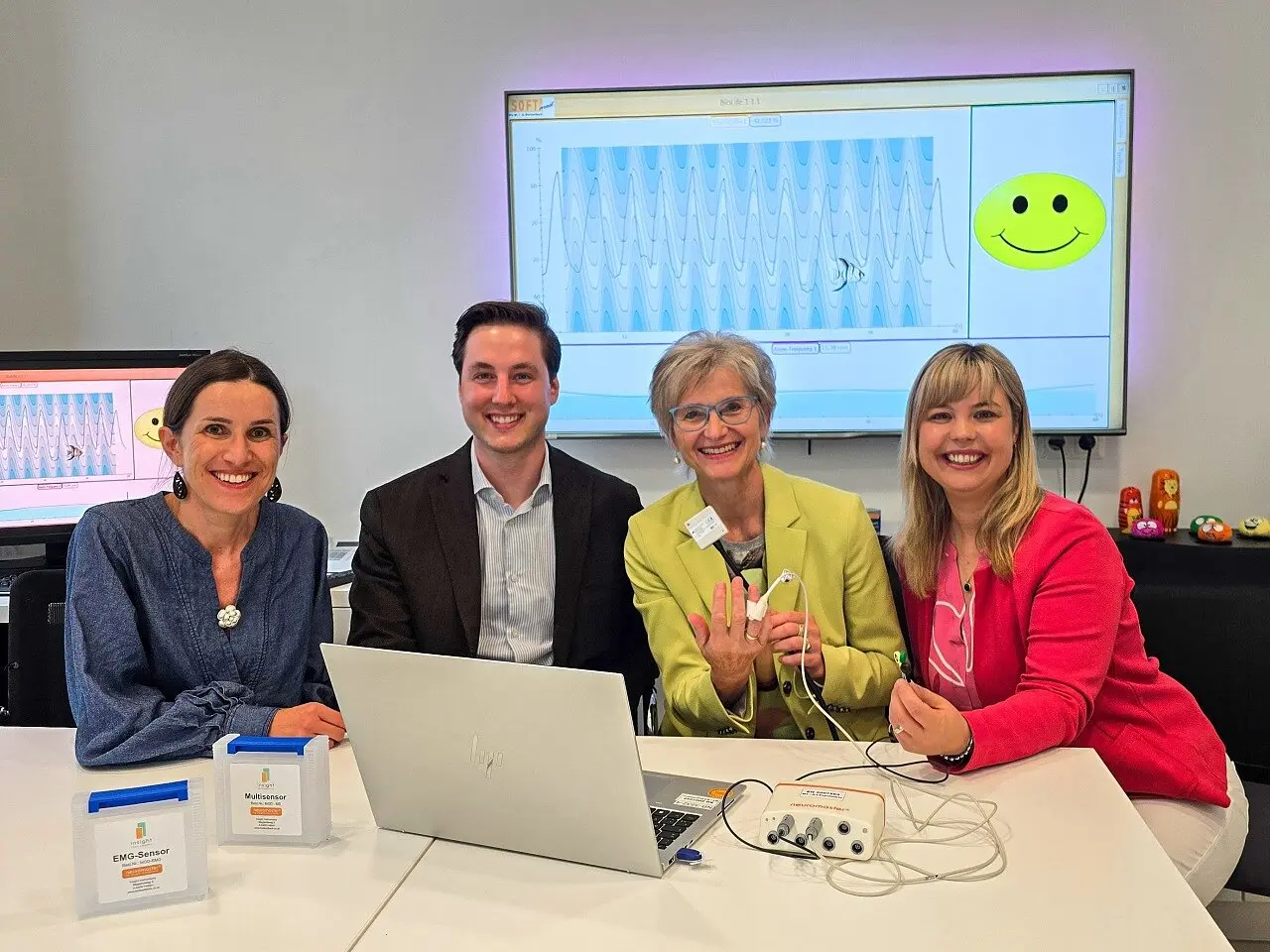
What surprised me personally the most is how quickly children can learn to recognise their own bodily reactions and then influence them to achieve the desired effect in everyday life. During biofeedback therapy, I have observed how motivating the visual feedback is for the children and how playfully they learn new strategies and then immediately feel them in everyday life.
The Neuromaster is also very user-friendly. The sensors can be set up quickly and easily and the software is clearly structured so that children can easily understand the feedback. It is particularly helpful for children and young people that the exercises are visually interesting and have a playful effect - this increases the motivation of young patients.
So far, I have experienced the strongest effects in children and adolescents with anxiety and stress symptoms - especially in cases of test anxiety with accompanying panic attacks. Many children with attention problems and inner restlessness, which often occur with ADHD, have also benefited from being able to concentrate better on learning by regulating their state of activation through biofeedback therapy. In the case of a teenager who suffered from chronic coughing/coughing in the form of a psychosomatic complaint, biofeedback was able to help her perceive her body signals earlier and thus better control and reduce states of tension.
I would recommend that colleagues see biofeedback as a valuable addition to other clinical-psychological treatment approaches. Especially in children and adolescents, it can help to make complex physical processes visible and understandable - especially for parents who tend to be sceptical about a psychosomatic illness, for example. Good psychoeducational training and embedding in the overall psychological-therapeutic concept is important here. Biofeedback can then be a very helpful tool in strengthening self-regulation and promoting stress management in everyday life in the long term.
Conclusion: Self-efficacy through visualisation
The experiences of Katharina Steinlechner show: The Neuromaster supports children and young people in strengthening their self-regulation and coping better with stress and anxiety. Through the User-friendly application and the playful design biofeedback becomes a valuable component of therapy.
Would you like to know how you can best integrate biofeedback into your practice? We can support you:



0 Comments