


From passive receiving to active acting
What is biofeedback?
Biofeedback is about supporting learning processes through which people learn to actively and specifically influence their body in the direction of health.
Feedback is required to make these learning processes successful. These „feedbacks“ are provided by biofeedback devices that make even the smallest improvements visible to clients and thus serve as a navigation tool for sustainable health promotion.
In just a few sessions, clients learn to influence their body and mind. The immediate visibility of progress motivates them to continue on their chosen path.
Biofeedback: how does it work?
Let us explain how biofeedback works. Essentially, biofeedback is a scientifically based method that makes it possible to consciously control unconscious bodily functions. Many illnesses and complaints can be alleviated by subjecting them to conscious, deliberate control.
Biofeedback can therefore help to prevent illness and cure or alleviate existing complaints without side effects.
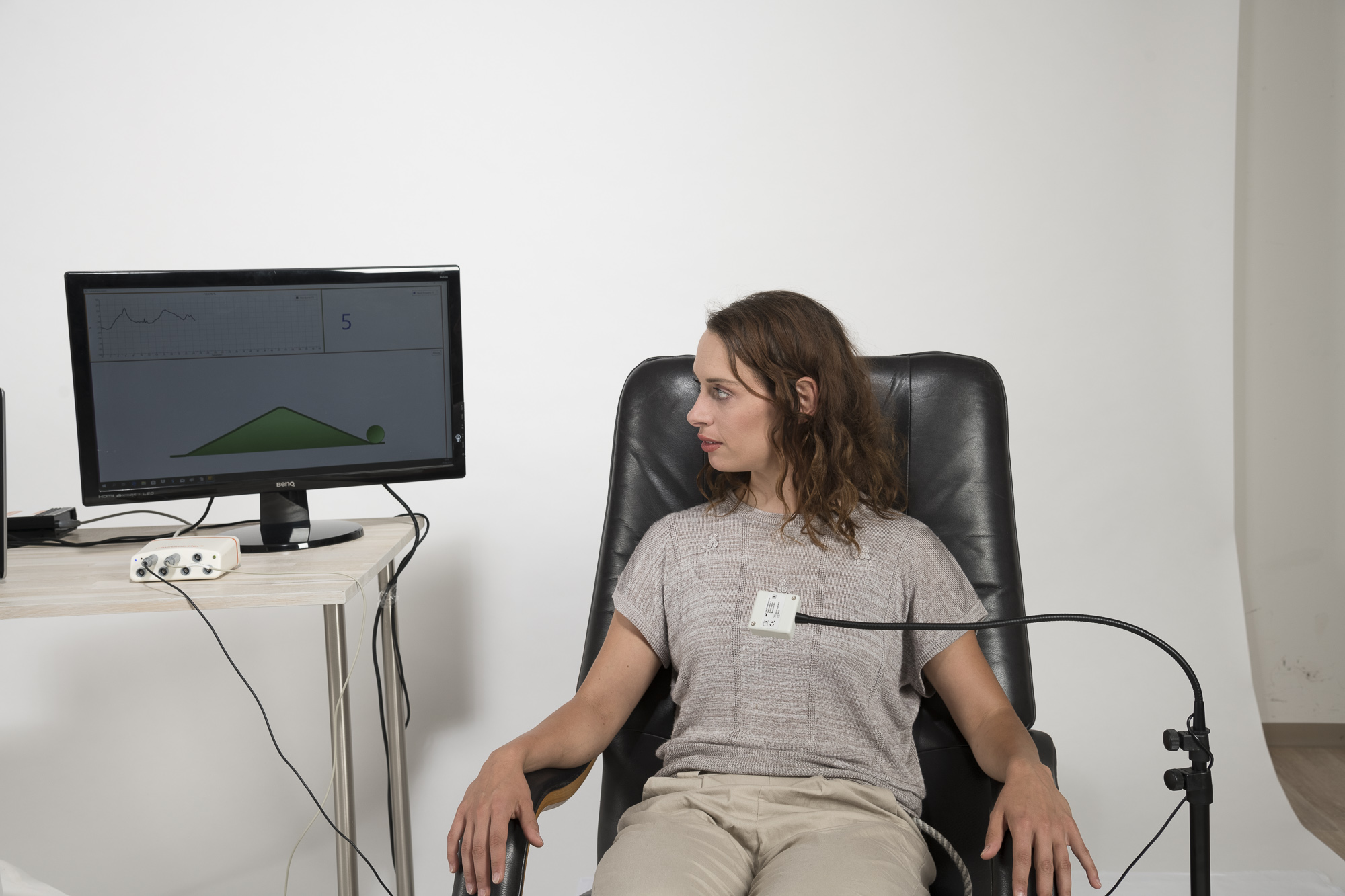
With biofeedback, the sensors of a Biofeedback device the changes various unconscious bodily functions (such as pulse rate, sweat production, muscle tone and breathing) are transmitted to a PC. On the screen, clients can observe how their bodily processes are influenced by thoughts, emotions, relaxation or stress.
This „feedback“ enables them to quickly learn to consciously perceive their bodily processes, influence them in the desired direction and use this ability to maintain and restore their health in the long term.
Areas of application
Doctors, psychologists and other therapists use biofeedback training to treat a wide range of physical and psychological conditions. Diseases and complaints, especially for chronic diseases, for which biofeedback has become very important.
In addition to medical applications, biofeedback training is also offered by many counsellors, coaches and trainers in various fields. It is used to optimise resources, for example in sports and fitness training, in mental training and to improve concentration, performance and learning ability.
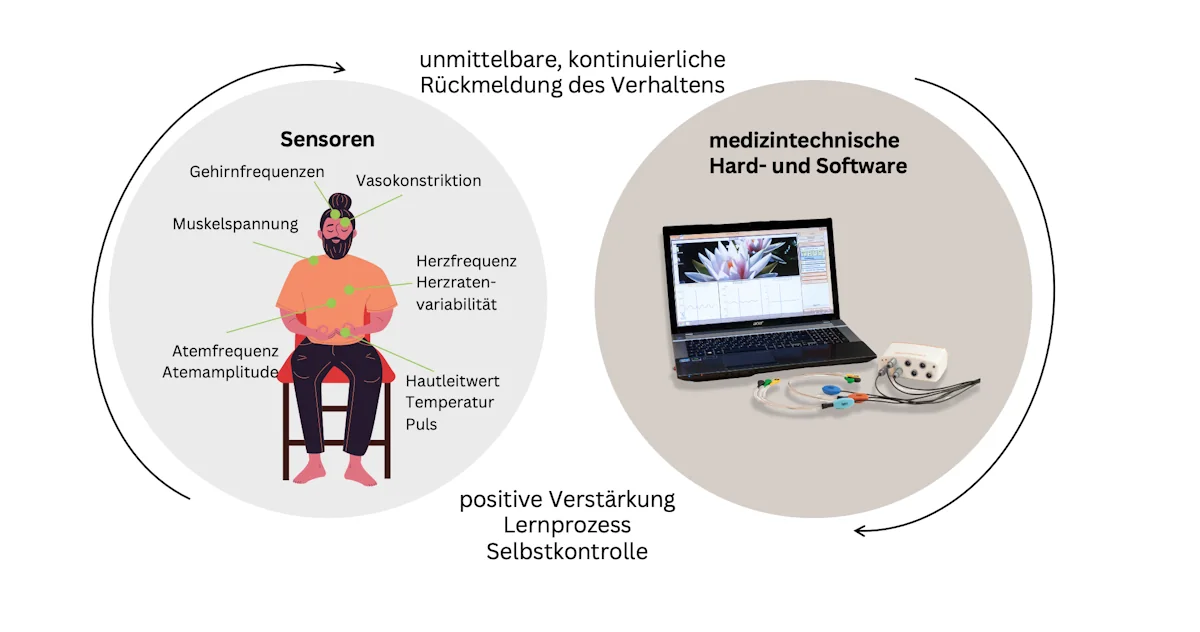
Biofeedback is a way out of helplessness in the face of illnesses and complaints - the subject is transformed from a passive recipient into an active agent.
BIOFEEDBACK PARAMETERS
What is measured?
In biofeedback, we record and analyse various parameters to gain insights into how the body is functioning. While some parameters, such as intraocular pressure, are rarely measured, we mainly focus on the more common parameters here.
It is advisable to record several parameters simultaneously in order to gain a comprehensive understanding of the interplay and reactions of the organism. Join us on this journey to better understand the intricacies of the body through biofeedback.
The skin conductance
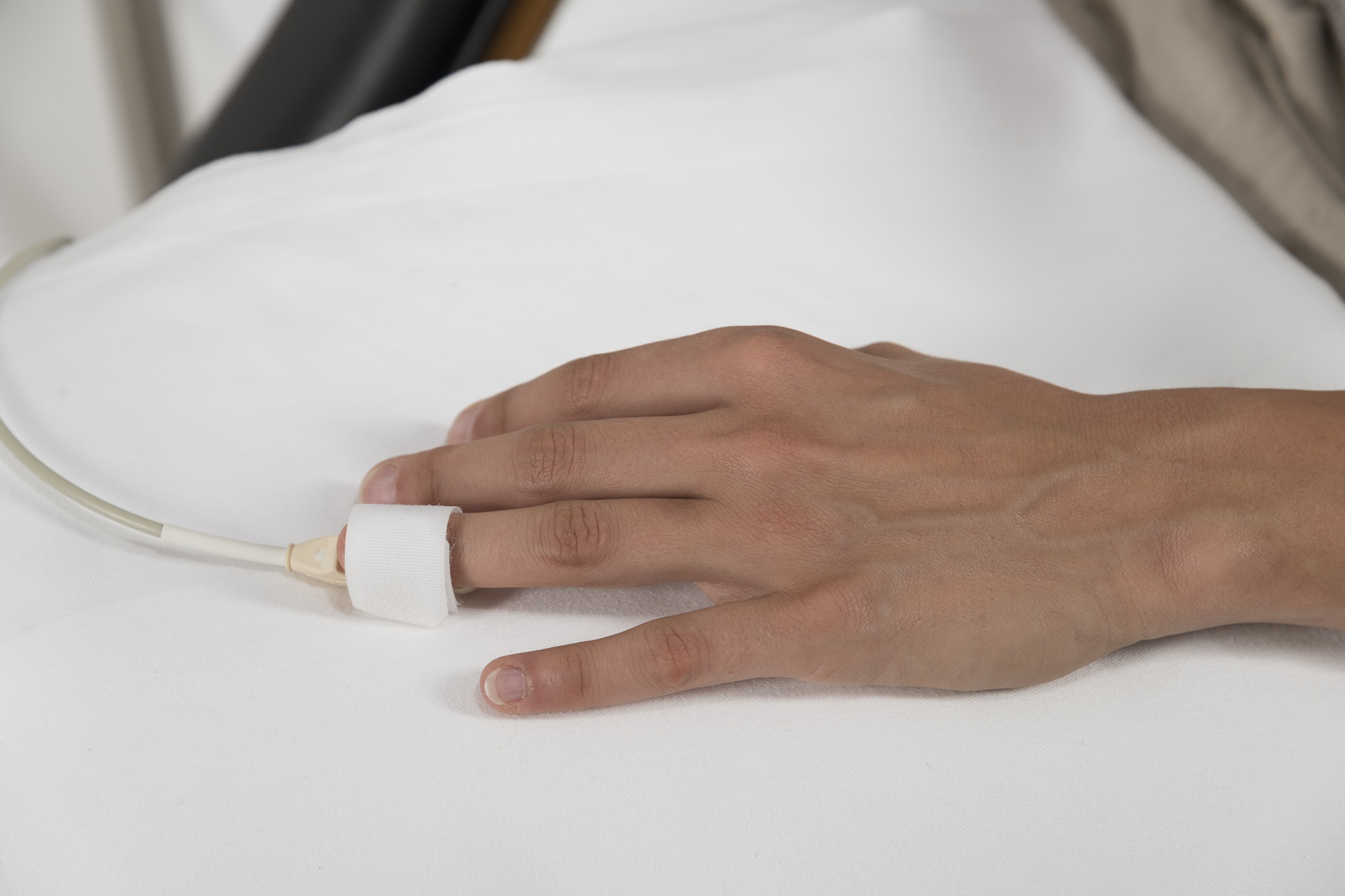
The skin conductance, measured using a Finger sensor, provides valuable information about the activity of the sweat glands. This value is closely linked to the activation of the sympathetic nervous system, as occurs during anxiety or stress. The skin conductance typically increases as a result of tension.
Together with finger temperature, which is discussed below, skin conductance provides a reliable measure of tension and relaxation. As skin conductance is extremely sensitive to psychological influences, it is often used to illustrate the principle of biofeedback and the influence of thoughts and emotions on the body.
When interpreting the skin conductance value, it should be noted that there are no general standard values. The value must be assessed individually and considered over time.
The temperature
A key difference between skin conductance and temperature feedback is that the temperature, which is also measured via a Finger sensor The temperature that is recorded reacts much more slowly, usually with a delay of one to two minutes. To increase the temperature, clients can imagine warming scenarios such as a campfire.
Temperature biofeedback is often combined with other relaxation techniques in order to develop general relaxation skills or, as in autogenic training, to demonstrate the warming process presented.
Muscle tension
In EMG training, clients learn to gain control over their muscle tension. This is achieved by measuring muscle activity using a EMG sensors. The main aim is to reduce excessive tension, which often leads to chronic pain conditions such as tension headaches or back pain. EMG training is therefore particularly used for such complaints.
In addition to relaxation, targeted muscle building can also be trained, for example as part of pelvic floor training, incontinence therapy or the rehabilitation of weakened muscles.
Biofeedback plays a central role here, as it enables clients to visualise increased levels of tension to which they may have already become accustomed.
Even the smallest changes in muscle tension can be analysed using the EMG sensors can be recorded and visualised. Another major advantage is the availability of standardised values for individual muscles, which can be used as a guide.
The electrodes can be attached either over an entire muscle (e.g. one sensor for the entire shoulder musculature) or individually on both sides of the body (e.g. one sensor per shoulder muscle, 2 sensors in total) to detect possible imbalances and provide targeted training.
Breathing
Breathing is also an important parameter in biofeedback training. Breathing depth, breathing frequency and conscious abdominal breathing are specifically trained.
A major advantage of breathing biofeedback is that breathing can be consciously and relatively easily controlled by most clients, which often leads to rapid progress. Breathing is controlled by means of a breathing belt or a Infrared sensor recorded.
Especially for Anxiety disorders and PTSD breathing biofeedback has proven to be an extremely effective training method. But it is also ideal for all stress-related complaints.
Heart rate variability
At the centre of heart rate variability (HRV) are the pulse rate and the breathing curve. Contrary to popular belief, a healthy heartbeat is characterised by a certain irregularity in rhythm. This variability reflects the influence of breathing, emotions and external factors.
A healthy heart in a healthy body should be able to flexibly change the time between heartbeats and thus adapt to internal and external influences.
A typical effect is that the heart rate increases when breathing in and decreases when breathing out - a phenomenon known as respiratory sinus arrhythmia (RSA). This is one of the most common applications of HRV. As part of such training, the synchronisation of heartbeat and breathing is specifically trained, which has a positive effect on the client's relaxation.
A detailed report on the Heart rate variability can be found here.
Blood circulation (vasoconstriction)
The measure of blood flow used in biofeedback is the pulse volume amplitude. This depends on whether the corresponding blood vessel dilates or constricts.
During vasoconstriction training, clients learn to constrict the temporal artery in a targeted manner in the event of an impending migraine attack in order to stop the attack. This technique is practised with the help of a Vaso-Sensors which monitors the changes in blood flow.
Detailed information on migraine therapy that combines vasoconstriction training and temperature biofeedback, you can find here.
Brain wave curves (neurofeedback)
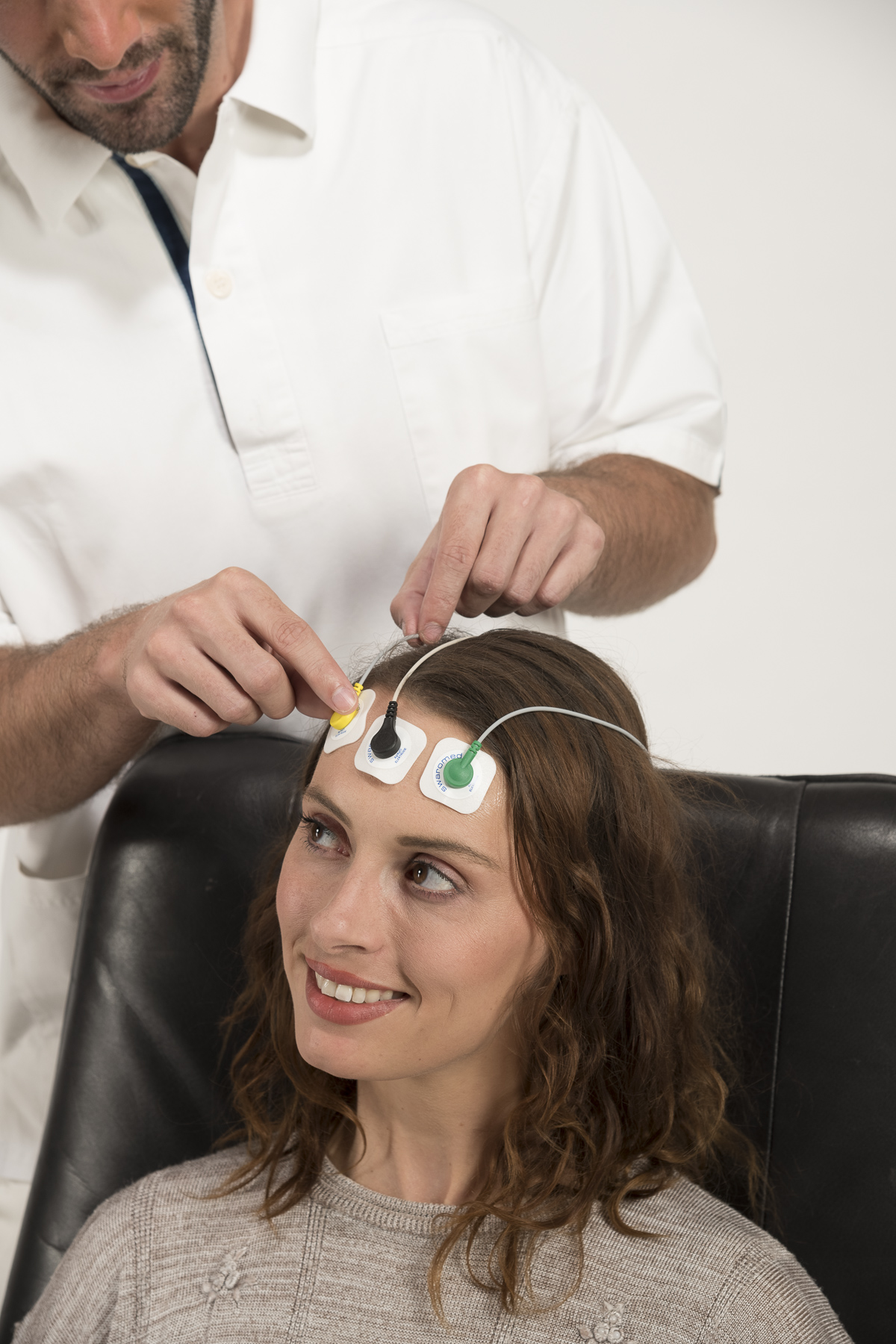
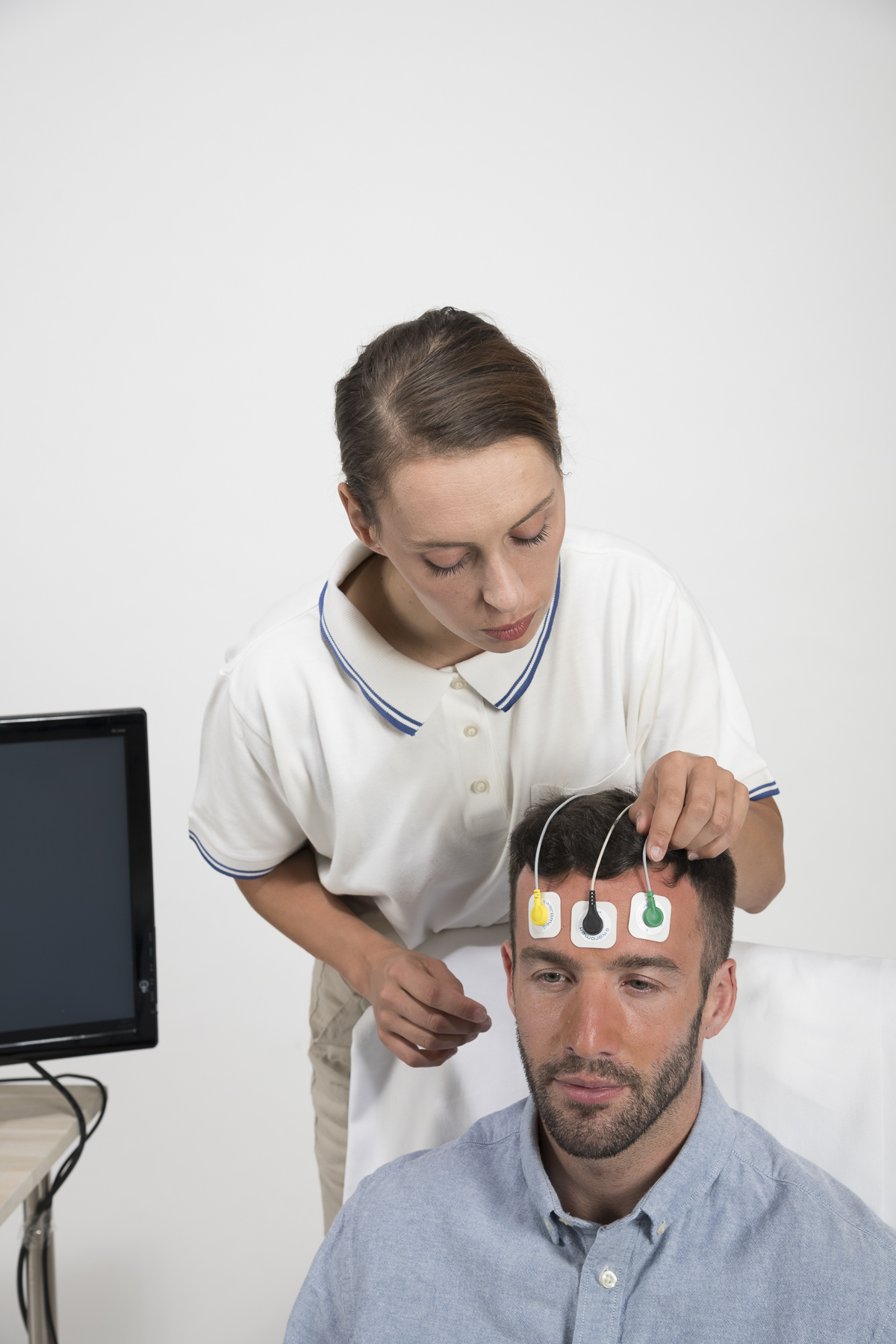
Neurofeedback is a subcategory of biofeedback in which clients learn to influence their brain wave curves in a targeted manner.
In frequency band training, certain frequency bands are associated with different states of consciousness. For example, the alpha band stands for relaxation, the theta band for sleepiness and the beta band for focussed attention.
With ADHD-The aim is to increase activity in the beta band and reduce activity in the theta band. The frequency bands are synchronised using a EEG sensor placed on the scalp using electrodes.
Application and effectiveness
Discover the limitless potential of biofeedback with Insight Instruments. This method, supported by a wide range of sensors, is primarily used in the fields of psychosomatics, pain therapy, psychology and psychotherapy. In addition, biofeedback is increasingly being used in clinical settings as well as to improve performance in sports and at work, in training and coaching.
The effectiveness of biofeedback and neurofeedback has been proven by numerous practical experiences and extensive scientific studies. A review conducted by the US AAPB (Association for Applied Psychophysiology and Biofeedback) in 2023 categorised many areas of application on a scale from „effective and specific“ to „possibly effective“.
Effective and specific:
- Attention deficit hyperactivity disorder (ADHD)
- Panic disorders
- Asthma
- Depression
- Diabetes Mellitus
- Erectile dysfunction
- Incontinence (adults)
- Pre-eclamation
Effective:
- Headache
- Chronic back pain
- High blood pressure
- Irritable bowel syndrome
- Post-traumatic stress disorder (PTSD)
- Raynaud's syndrome
- Temporomandibular dysfunction (TMD)
- Cerebral palsy
- Stroke
- Epilepsy
- Peak performance
- Incontinence (children)
Probably effective:
- including alcohol and drug addiction
- Fibromyalgia
- Generalised anxiety disorder (GAS)
- Arthritis
- Autism spectrum disorders
- Tinnitus
- Chemotherapy-induced peripheral neuropathy
- Chronic obstructive pulmonary disease (COPD)
- Tumour pain
- Phantom pain
- Coronary heart disease
Possibly effective:
- Specific phobias
- Chemobrain
- Functional abdominal pain
- Hyperhidrosis
- Vasovagal syncope
BIOFEEDBACK TRAINING
Procedure and duration of biofeedback
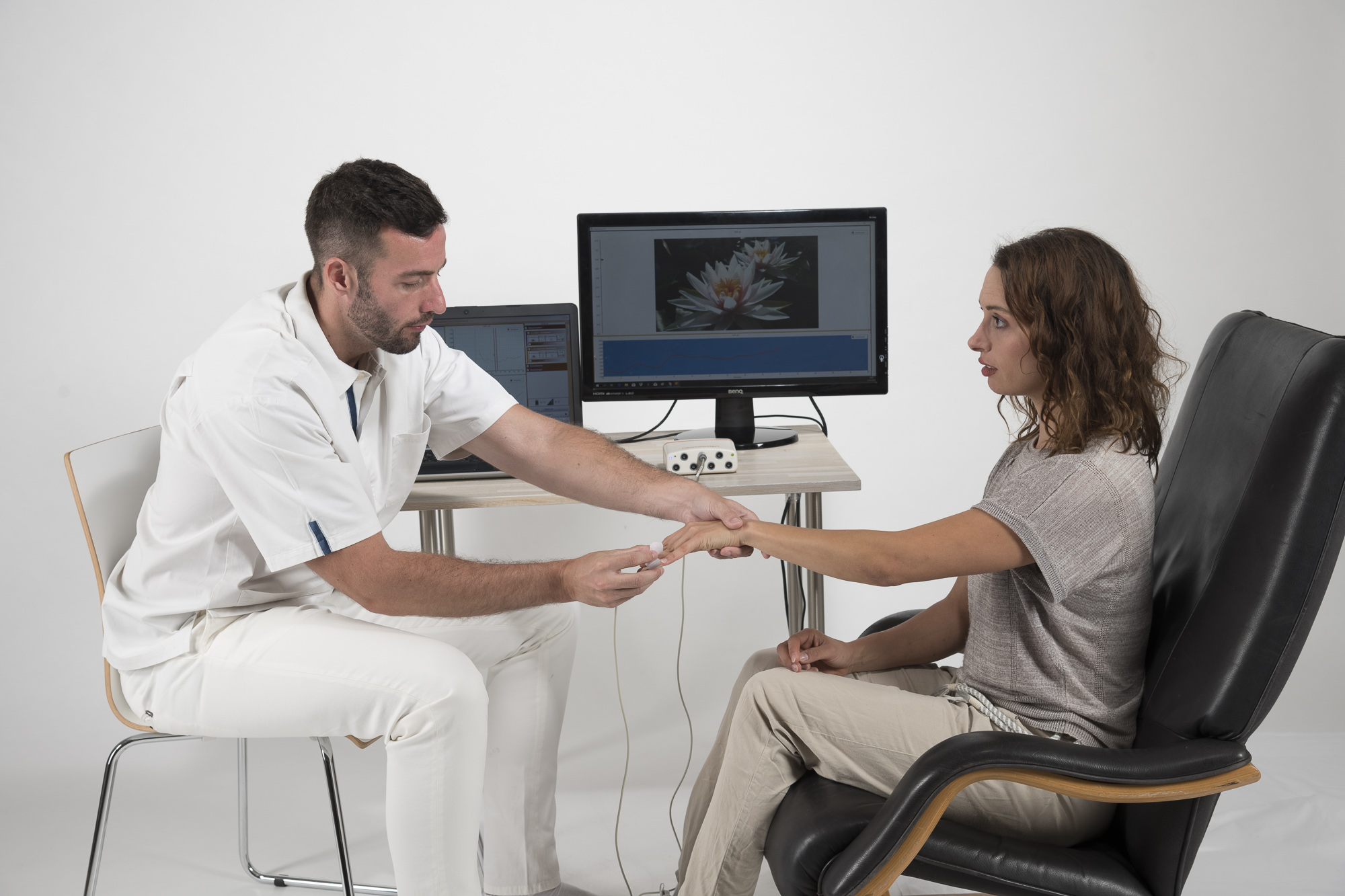
In the first session, the biofeedback principle is usually explained and simple line diagrams are used to illustrate how the client's organism reacts to stress and relaxation. A so-called stress profile is then created, which records how the client reacts to stress and, in particular, how quickly and effectively he/she can relax again.
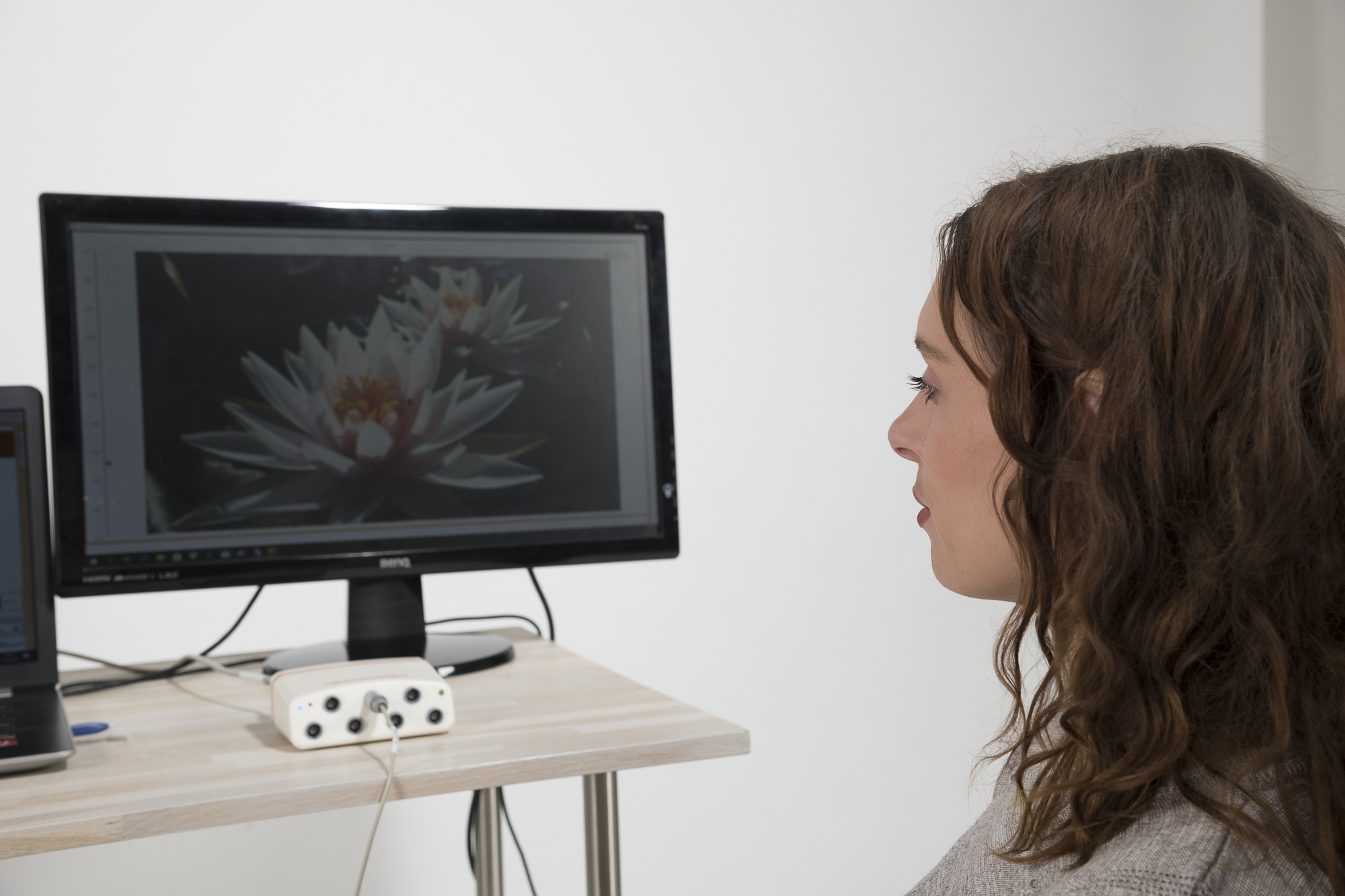
An individualised training plan is developed on the basis of this analysis. During the training sessions, the client usually sits in a comfortable armchair, observes their own bodily functions and tries to influence them in a targeted manner. The sessions usually last around 20 minutes and are discussed together afterwards. On average, biofeedback training comprises between 4 and 18 sessions, depending on the severity and type of illness.
It has proven to be very useful to set a clear goal at the beginning of the treatment and to focus the sessions on achieving this goal. The overall aim of the training is for the client to learn to influence their own organism without feedback from the screen and to apply the techniques learnt in everyday life. After a few months, so-called booster sessions can be carried out to check the success and further consolidate what has been learnt.
Experience with biofeedback and neurofeedback
Below you will find some experiences from users who have given us feedback on working with biofeedback and neurofeedback. You can find more detailed experience reports and interviews on various areas of application in our company's own blog.
PTSD
In the case of a differentially diagnosed post-traumatic stress disorder, we have recently started using biofeedback as part of a partial treatment (as a result of our treatment duration of 2 to 3 weeks) according to Liedl et al. (Trauma and Pain, Schattauer 2013) in order to make it easier for the test subjects to distance themselves from the stressful (and pain-intensifying) experience of flashbacks and intrusions.
The clear graphic feedback of psychophysiological parameters makes it easier for the test subjects to find and practise the most suitable method of self-calming and self-distancing.
Dipl-Psych. Andres Kruse (Rheuam Centre Oberammergau)
Tension headache
„I remember one client in particular who had suffered from migraines and tension headaches since childhood. In just 8 training sessions, I was able to help her significantly reduce the frequency of her attacks.
Furthermore, with the help of abdominal breathing training and progressive muscle relaxation, we managed to “intercept” the onset of headaches so that there were no more pronounced headache attacks.
The client was able to achieve a significant improvement in her quality of life. She has now internalised the exercises to such an extent that she no longer needs to be “controlled” by the biofeedback device.“
Mag. Lydia Oberthaler
Migraine
She completed 24 biofeedback sessions within 4 years. We trained her in breathing pacing, cardiac coherence and hand warming. She was also able to perform a hyperventilation test (simulated extreme breathing). (...).
She learnt to decouple her chest breathing from her abdominal breathing, to breathe regularly and to exhale slowly. She was increasingly able to loosen her shoulders and her neck tension eased. (...)
After 6 months, her migraines stopped bothering her. (...)
Dr Christine Schottdorf-Timm
Incontinence
My seven years of experience with test subjects suffering from urinary and faecal incontinence has been extremely gratifying; almost all of them have benefited from biofeedback training and improved their quality of life enormously.
Biofeedback is the best way to get incontinence “under control” again.
Denise Aeschbacher Naturopath
Advantages of the biofeedback method
To summarise, we would like to emphasise the numerous advantages of the biofeedback method.
Insight
A key advantage of the method is that it allows clients to gain insights into their own organism. Sceptics in particular, who claim „I'm not stressed“, are often only convinced by the scientific data from biofeedback that they are actually suffering from stress.
Controller life
A key factor in the effectiveness of biofeedback is strengthening the feeling of control and self-efficacy. Many clients have already tried numerous methods and often feel helpless in the face of their chronic complaints. Biofeedback offers an effective tool to actively tackle these challenges.
Diagnostics
With the help of biofeedback sensors and stress tests, clients and therapists can easily find out together how the body reacts to stress and which body system is most affected, be it breathing, muscle tension or other areas.
The right method
Biofeedback is not only used to identify problems, but also to find solutions. There are now numerous relaxation techniques, but biofeedback makes it possible to find out objectively and individually which method works best.
Motivation
Thanks to the high level of sensitivity, almost all progress, even the smallest, becomes visible. This visible success can be a decisive motivating factor for those affected, particularly in the case of lengthy training programmes, such as rehabilitation after strokes.
Progress monitoring
Progress monitoring allows clients to track their progress during training. At the same time, therapists also have the opportunity to continuously monitor their own approach and adjust the training plan if necessary.
Risks and side effects
No risks or side effects are known for the (non-drug) biofeedback treatment itself. However, „positive side effects“ have been reported in practice. This means that the treatment also had a positive effect on areas of life that were not a causal part of the training.
However, in the case of serious mental disorders (e.g. paranoid schizophrenia) or if there is a risk of flashbacks due to deep relaxation, a medical professional should always be present according to the literature.
Note: Please refer to the relevant section regarding health information in our disclaimer.
Bio- and neurofeedback devices
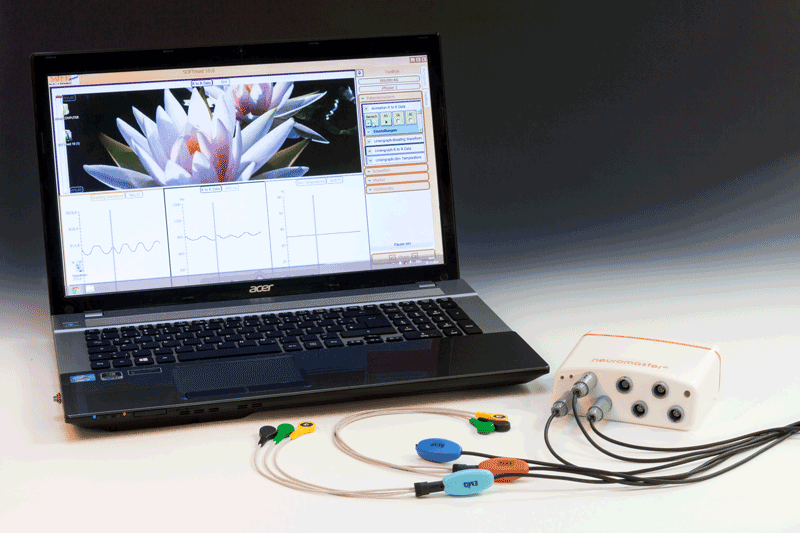
Biofeedback devices enable clients and therapists to gain insights into physical processes that are otherwise difficult or impossible to perceive. The market for such devices is now diverse and offers numerous providers. In this section, we present our professional system for biofeedback and neurofeedback training.
Professional biofeedback
Specialised expert systems are required for professional work with biofeedback. These systems usually cost between €4,500 and €10,000 and are designed for therapists, doctors, trainers, alternative practitioners and similar professionals.
The Neuromaster system
As developers of biofeedback and neurofeedback systems for over 25 years, we recommend our Neuromaster system. The Neuromaster® (Made in Germany) is a certified medical device and can be used universally for biofeedback, neurofeedback and psychophysiological research.
Whether for training or research, the Neuromaster system offers the right solution for all users thanks to its modality!