


Physiotherapy, derived from the Greek words „physis“ (meaning „nature“) and „therapeia“ (meaning ‘healing’), essentially means ‘restoring natural function’. The aim of this discipline is to restore, improve or maintain the body’s mobility and functional ability. The methods and techniques used are diverse and range from manual therapies and exercises to modern technologies. One of these modern technologies is the Biofeedback, which is becoming increasingly important in physiotherapy.
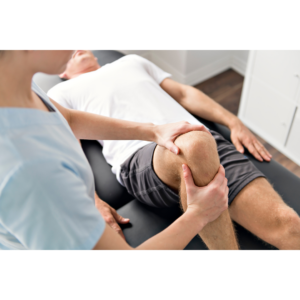
Biofeedback for pain relief
A classic area of application for biofeedback in physiotherapy is the Pain relief. Pain is often the result of muscle tension, which can be caused by stress, poor posture or injuries. By using EMG biofeedback (Electromyography) enables patients to learn how to reduce their muscle tension in a targeted manner. The EMG biofeedback system records the electrical activity of the muscles and provides feedback on the muscles’ states of relaxation and tension. This feedback helps patients to consciously relax tense muscles and thus alleviate pain. In addition, other types of feedback, such as skin conductance feedback or respiratory biofeedback, can also be used to promote holistic relaxation.
Biofeedback in rehabilitation
Another important area of application for biofeedback in physiotherapy is the Rehabilitation, particularly following neurological conditions such as strokes. Patients suffering from paralysis or muscle weakness can benefit from biofeedback, as it enables them to detect even the slightest residual activity in the affected muscles. This feedback is particularly important, as many patients feel that the affected muscle is „dead“. By visualising even the slightest movements on the biofeedback device, progress is made visible that would otherwise go unnoticed. This can significantly boost patients„ motivation to continue training and work towards their recovery. In this context, biofeedback can be used as a kind of playful exercise, in which patients try to “trace’ predefined lines using their muscle tension.
Posture training with biofeedback
Poor posture is a common problem, particularly amongst people who spend a lot of time sitting or who carry out physically demanding work. Often, those affected are no longer even aware of their poor postural habits. Biofeedback can help to highlight poor posture and enable people to consciously correct it. Through visual feedback on a screen or audible signals, patients can recognise when they are adopting an unhealthy posture. Targeted exercises and reward systems – which are only activated when the posture is correct – can then be used to improve posture in the long term.
Biofeedback in sport
In the Sport Biofeedback is playing an increasingly important role. It is used not only for rehabilitation following injuries, but also to enhance performance. EMG biofeedback, in particular, enables athletes to gain voluntary control over their muscles and improve their coordination. Improved muscle control can be a decisive advantage in precision sports such as shooting, golf or archery, as relaxed yet controlled muscles can significantly improve performance. Furthermore, biofeedback can help reduce stress and boost concentration, which also contributes to improved sporting performance.
Further possible applications and benefits
Biofeedback has many other potential applications in physiotherapy. For example, it can be used to identify and specifically treat muscular imbalances. Body awareness, which is severely impaired in many patients, can also be significantly improved through biofeedback. A better sense of one’s body and an increased awareness of one’s own movements and posture can have a positive effect on many health issues and improve quality of life.
Sources
- Pop-Jordanova, N., & Demerdzieva, A. (2010). Biofeedback training for peak performance in sport – the case of young tennis players. Macedonian Journal of Medical Sciences, 3(1), 55-60.
- Thomson, D., et al. (2009). EMG biofeedback for the recovery of motor function following a stroke. Cochrane Database of Systematic Reviews, (4).
- Villanueva, M. (2017). Biofeedback-Assisted Relaxation Training in the Management of Chronic Pain. Physical Medicine and Rehabilitation Clinics of North America, 28(1), 141-153.



0 Comments